Buying a plot on the Yamuna Expressway is not like buying a flat, so the YEIDA plot registration process feels unfamiliar the first time. The land belongs to the Authority, which grants you a long lease, so the key document is a lease deed rather than a conventional sale deed. This guide walks through the stages in plain language.
The four stages for a fresh allotment
| Stage | What happens |
|---|---|
| 1. Allotment letter | Issued after the draw or allotment. It names the allottee, plot, size and payment terms. |
| 2. Premium payment | Paid as per the scheme terms. In RPS-10/2026 the full premium is due within 60 days of the allotment letter. |
| 3. Lease deed | Executed and registered with the sub-registrar. This is your core title document. |
| 4. Possession | Physical handover of the plot after the formalities are complete. |
What changes in a resale case
If you buy from an existing allottee, the Authority’s permission is required before the transfer can be registered. The seller’s papers, the no-dues position and the transfer conditions in the lease all matter. We cover the permission step separately in our transfer process guide.
Where the money goes
- Authority premium or the seller’s agreed price.
- Authority transfer charges in a resale. A figure of 2.5% of circle rate is sometimes quoted, but treat it as unverified until the Authority confirms it.
- Stamp duty and registration at the sub-registrar. The rate can change, so check it before the registry date.
- Dealer fee and lawyer fees.
Documents to keep ready
- Allotment letter or lease deed
- Previous transfer papers, where applicable
- Proof of possession
- No-dues certificate
- Receipts for every payment made to the Authority
A practical sequence for buyers
Shortlist the plot, check the sector map, ask for the papers, get the price and dealer fee in writing, then pay only a small token against a receipt. Move to the transfer application and registry only after the lawyer clears the title and dues.
Lease deed, sale deed and what you actually sign
Because the land stays with the Authority, the document that matters in a first allotment is the lease deed executed between you and the Authority and then registered with the sub-registrar. In a resale you usually deal with a transfer of the lease rights, supported by the Authority’s permission, and the registered document records that transfer. Ask your lawyer which exact instrument applies to your plot, and read every clause on permitted use, building rules and transfer conditions before signing.
Resale case: where permission fits in
In a resale the seller is the existing allottee. Before the deed can be registered, the Authority checks its record: who is the allottee, whether dues are pending, and whether the lease conditions allow a transfer. Only after permission and payment of the transfer charges does registration make sense. Our transfer process guide walks through this part.
A realistic timeline to plan around
We do not quote fixed days because the Authority’s processing time changes. Plan in stages instead: document verification first, then the transfer application, then payment of charges, then registry. Keep a buffer between stages and avoid committing to a possession or construction date until permission is in hand.
Total cost: what you really pay
Beyond the plot price, budget for Authority transfer charges in a resale, stamp duty and registration at the sub-registrar, the dealer fee, any pending dues and lawyer fees. Confirm each figure with the relevant office before the registry date. The cost guide has a worksheet.
Day-of-registry checklist
- Originals of allotment letter or lease deed and ID proofs of both parties.
- Authority permission and proof of transfer charges paid.
- No-dues certificate and payment receipts.
- Stamp duty and registration payment proof.
- Witness details as required by the sub-registrar.

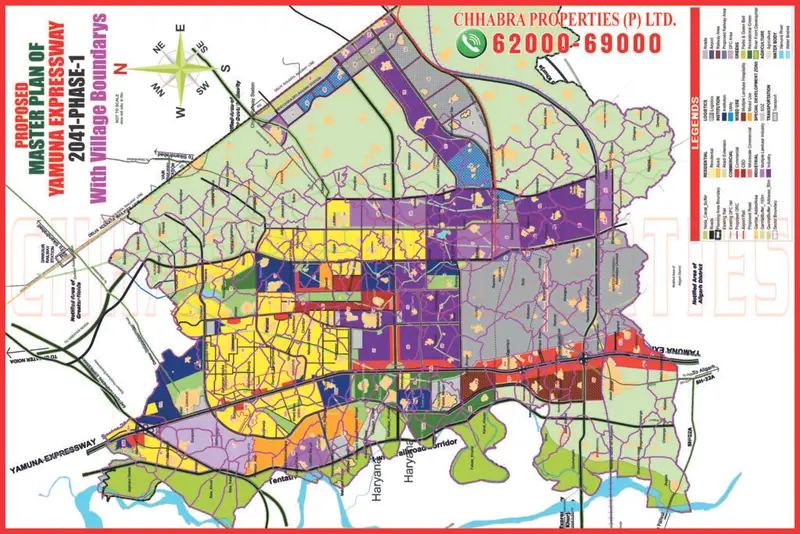
- YEIDA plot registration: always verify the sector, pocket and plot number on the official map before you pay.
- When you research YEIDA plot registration, compare dated asks and not only headline prices.
- A careful approach to YEIDA plot registration includes a no-dues certificate and a lawyer’s review of every paper.
- Costs linked to YEIDA plot registration should be calculated all-in, including transfer charges, stamp duty and registration.
- If any detail about YEIDA plot registration does not match the papers, pause and ask the Authority in writing.
- Use this guide on YEIDA plot registration together with the related guides and HD maps below.
Common mistakes to avoid with YEIDA plot registration
- Paying the balance before the Authority permission is in hand.
- Signing a draft without reading the clauses on permitted use and transfer.
- Assuming stamp duty is the same as last year without checking.
- Skipping the no-dues certificate because the seller says everything is clear.
- Not keeping receipts and acknowledgements for every payment.
Questions to ask before you decide
- Is the seller the allottee named in the Authority record?
- Is the plot under a lease, and for how many years?
- Has the Authority issued transfer permission for this plot before?
- Are there any pending dues or penalties?
- What exactly is the transfer charge and who pays it?
- Which stamp duty and registration rate applies today?
- Will the lawyer review the deed before I sign?
- When will possession be handed over?

Frequently asked questions
Is a YEIDA plot freehold?
Authority plots are leasehold. In RPS-10/2026 the lease is 90 years, and your own lease deed sets the actual terms.
Who registers the lease deed?
The registration takes place with the sub-registrar after the Authority formalities, and a lawyer should review the deed first.
How long does YEIDA plot registration take?
It depends on documents, dues and the Authority’s processing. Plan in stages and avoid fixed promises from sellers.
Do I need the seller present at registration?
Usually both parties or their lawfully authorised representatives attend, as per the sub-registrar’s rules. Confirm with your lawyer.
Can I register without possession?
Possession and registration are separate steps. Ask your lawyer how the Authority and sub-registrar treat your plot.
Call or WhatsApp 6200069000 with your budget, plot size and preferred sector, and we will shortlist options with papers you can verify.
Explore related guides and maps
- YEIDA 90-year leasehold plot explained
- YEIDA plot cost: what you really pay
- YEIDA resale plot document checklist
- YEIDA plot registry process (HD maps and resale listings on Chhabra Property)
This guide is general information, not legal or financial advice. Rates, forms and rules change, so confirm current details with YEIDA and a qualified property lawyer before paying any token amount.