

Many buyers search for a YEIDA plot home loan before they search for a plot. The good news is that authority plots are easier to finance than unapproved land. The catch is that the bank will study your lease and transfer papers closely.
Use this guide with the plot cost guide so your budget includes the margin money.
How plot loans work
A plot loan finances the land only. Published SBI product pages describe a margin of about 30%, which means the loan can cover up to 70% of the plot value. They also describe a repayment tenure up to 10 years and a requirement to complete a house on the plot within 3 years. Terms, rates and fees change, so ask your bank for its current sheet.
Why authority plots are easier to finance
Housing.com’s loan explainer notes that banks tend to be more forthcoming for plots sold by development authorities. A clean allotment or lease from YEIDA is easier to verify than a private layout.

Papers banks usually ask for
- Allotment letter, lease deed or registered transfer deed.
- YEIDA no-dues certificate.
- Layout map with plot number.
- Seller’s ownership chain for resale.
- Your identity, address and income documents.
See the full list in our resale documents list.
Mortgage permission and dues
YEIDA scheme brochures say mortgage permission is given under the Authority’s policy, and one brochure states no permission is issued while dues are outstanding. Ask the bank and YEIDA how this applies to your plot.
Plan the margin and the timeline
- Fix your budget including stamp duty and transfer charges.
- Get a bank’s in-principle view on the plot papers.
- Do not pay a large token before the bank confirms the papers.
- Complete transfer, then loan disbursal.
A budget view of financing a plot
Suppose you plan to buy a plot and the lender finances up to 70% of its value. You still need the remaining 30% as your own money, plus stamp duty, registration and transfer charges, which a plot loan usually does not cover. Add a buffer for lawyer fees and mutation. This is why it helps to read the stamp duty guide before you apply.
Ask for the bank’s schedule of fees in writing, and compare at least two lenders on margin, tenure and processing fees.
Construction after the loan
Plot loans are meant for land, and a separate loan or composite product is often needed to build. Published SBI pages describe a requirement to build within 3 years, so plan the house design and funds early. Read the construction rules guide before you commit to a design.
- Plot loans fund land only, and published SBI pages describe up to 70% of value.
- Banks check lease papers, dues and mortgage permission.
- Do not pay a large token before the bank accepts the papers.
Common mistakes to avoid with YEIDA plot home loan
- Assuming the loan covers stamp duty and transfer charges.
- Starting the loan after paying the token.
- Ignoring the construction deadline.
Questions to ask before you decide
- What margin and tenure does the bank offer today?
- Does the bank accept this plot’s papers?
- Is YEIDA mortgage permission needed and available?
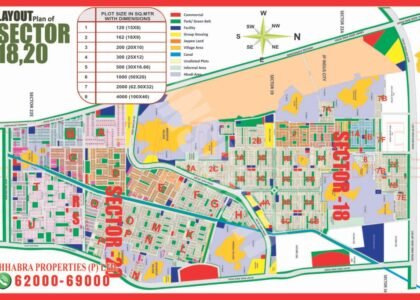
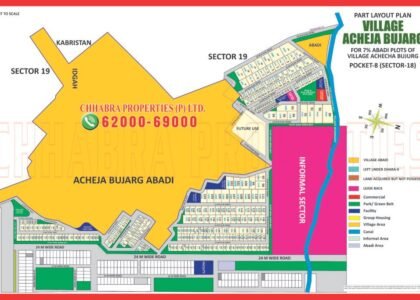
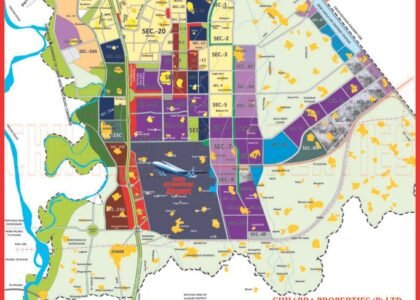
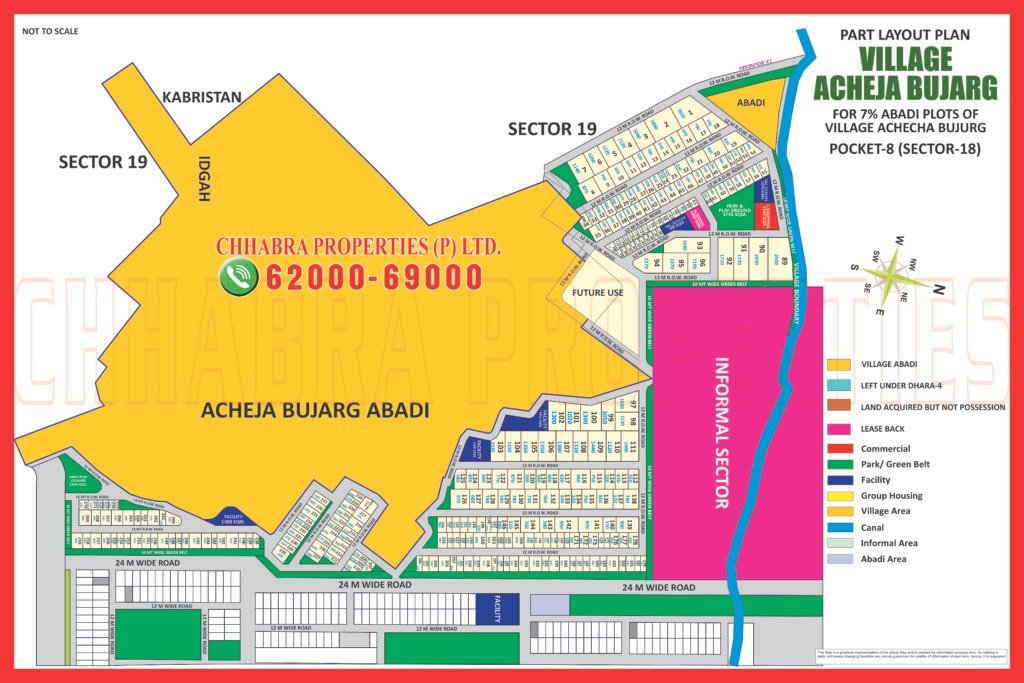
For official notices and brochures, always cross-check on the official YEIDA website. You can also browse the HD YEIDA maps or contact us for help.
Frequently asked questions
Can I get a loan for a YEIDA plot?
Banks generally finance residential plots in approved layouts. Confirm with your bank for your plot.
How much loan can I get on a plot?
Published SBI pages describe up to 70% of value. Other lenders differ.
Is there a time limit to build?
Published SBI plot loan terms describe building within 3 years.
Does the loan cover stamp duty?
Usually not. Budget these separately.
Can I do this without a lawyer?
It is safer to have a lawyer check the papers, especially on resale.
Should I ask YEIDA directly?
Yes. For permissions, dues and rules, the Authority is the final source.
Call or WhatsApp 6200069000 with your budget, plot size and preferred sector, and we will shortlist options with papers you can verify.